
Managing daily expenses is an important part of maintaining financial discipline and building better money habits. From grocery shopping and transportation to household bills and personal purchases, small expenses can add up quickly. Without proper records, it can become difficult to understand spending patterns, manage budgets, and identify opportunities to save money.
The Daily Expense Tracker is designed to simplify expense recording and personal financial management through a centralized digital platform. It helps users record daily spending, organize expenses into categories, monitor savings, and maintain accessible financial records. With features such as budget planning, report generation, and automated notifications, users can develop a clearer understanding of their spending habits.
Why Daily Expense Tracking Matters
Understanding where money goes is the first step toward better financial management. When expenses are recorded irregularly or managed through scattered notes, users may overlook small purchases and find it difficult to calculate their total spending.
A digital expense tracker provides a more organized way to record financial activities. By maintaining expense information in one place, users can review their spending habits and make more informed decisions about their budgets.
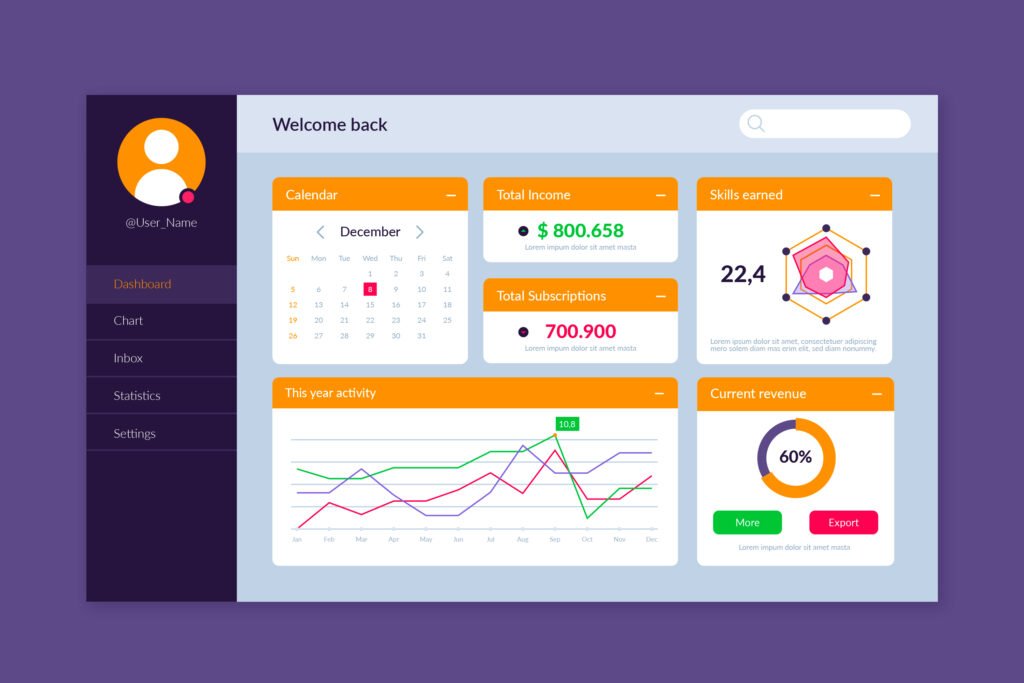
Recording Daily Expenses Easily
Keeping track of everyday purchases helps users understand their regular spending patterns. However, remembering every transaction and updating records manually can become time-consuming.
The Daily Expense Tracker helps users record their expenses through a centralized platform. This makes it easier to maintain consistent records of daily purchases and review spending information whenever required.
Organizing Expenses into Categories
Different expenses serve different purposes. Food, transportation, shopping, utilities, entertainment, and household bills can all contribute to monthly spending.
Expense categorization helps users organize transactions according to their purpose. With expenses grouped into relevant categories, users can identify where most of their money is being spent and understand which areas may require closer attention.
Planning and Managing Budgets
Budget planning helps users set spending limits and allocate money according to their needs and priorities. Without a clear budget, it may become difficult to balance regular expenses with savings goals.
The Daily Expense Tracker supports better budgeting by helping users organize their spending information. Reviewing recorded expenses alongside planned budgets can make it easier to monitor financial habits and adjust spending when necessary.
Monitoring Savings More Effectively
Saving money becomes easier to plan when users have a clearer picture of their expenses. Tracking purchases and reviewing spending categories can help reveal opportunities to reduce unnecessary costs.
The system helps users monitor their financial records and review their spending habits. This information can support more thoughtful budgeting decisions and encourage consistent saving practices.
Generating Expense Reports
Expense reports provide a structured overview of recorded financial activities. Instead of reviewing individual transactions one by one, users can refer to reports to understand their spending over a particular period.
The Daily Expense Tracker includes report generation to help users review expense information in an organized format. These reports can make it easier to identify spending patterns, compare expenses, and evaluate budgeting habits.
Understanding Spending Patterns
Regular expense tracking can reveal habits that may otherwise go unnoticed. Frequent small purchases, recurring bills, and changes in spending across different categories can all affect a personal budget.
By reviewing organized expense records and reports, users can develop a better understanding of their financial behavior. This awareness can help them make practical adjustments based on their needs and priorities.
Automated Notifications and Timely Updates
Keeping financial records updated is important for effective expense management. Without timely reminders or notifications, users may forget to record purchases or review their budgets regularly.
Automated notifications can help users stay informed about relevant updates and maintain better consistency in managing their expenses. Timely reminders support an organized approach to financial tracking.
Keeping Financial Records Organized
Maintaining expense records over time can help users understand how their spending changes. However, scattered notes and separate spreadsheets can make it difficult to find specific transactions or review previous expenses.
A centralized digital platform helps keep expense information organized and accessible. This makes it easier to review financial activity and maintain consistent records for future reference.
A Better View of Personal Finances
Understanding overall spending requires more than simply recording purchases. Users also need to review their expenses, recognize patterns, and evaluate whether their spending aligns with their budget.
The Daily Expense Tracker brings expense records, categories, budget planning, and reports into one organized platform. This provides a clearer view of everyday financial activity and supports more informed money management.
Useful for Different Financial Needs
The Daily Expense Tracker can be useful for individuals, students, working professionals, families, and anyone who wants to organize everyday spending.
Whether users want to monitor household expenses, manage personal purchases, review monthly spending, or build better budgeting habits, a digital expense tracker provides a convenient way to maintain financial records.
Building Better Money Management Habits
Consistent expense tracking can encourage greater awareness of everyday spending. When users regularly record transactions and review their budgets, they can better understand their financial priorities.
The system supports these habits by providing an organized platform for expense recording, categorization, and reporting. Over time, this structured approach can help users become more mindful of their spending decisions.
Data Access and Responsible Security
Financial records should be handled carefully and responsibly. A digital expense management platform provides a structured place to maintain personal expense information rather than relying entirely on scattered documents.
Users should follow appropriate security practices and use available access controls to help protect their financial information. Responsible record management supports a more organized and dependable expense-tracking process.
Designed for Consistent Financial Tracking
Financial management is an ongoing activity that requires regular attention. As daily transactions accumulate, maintaining organized records becomes increasingly useful for understanding spending and planning budgets.
The Daily Expense Tracker provides a centralized approach to managing these records. Its expense categorization, budgeting, reporting, and notification features help users maintain a more consistent tracking routine.
More Than a Daily Expense Recording Tool
The Daily Expense Tracker is not limited to recording individual purchases. It brings together expense categorization, budget planning, savings monitoring, report generation, and automated notifications within one digital platform.
This connected approach helps users move beyond basic record keeping and develop a clearer understanding of their financial activities.
How N & M App Store Solutions Can Help
N & M App Store Solutions offers digital products designed to help users and businesses organize their activities through practical technology solutions. The Daily Expense Tracker provides a centralized way to record expenses, categorize spending, plan budgets, generate reports, and monitor savings.
By bringing essential expense management activities together, the system can help users simplify financial record keeping and develop more organized budgeting habits.
Move From Scattered Records to a Connected Digital Workflow
Managing daily expenses through memory, notebooks, or separate spreadsheets can make it difficult to maintain accurate records. A centralized expense tracker offers a more structured way to record transactions and review financial activity.
With organized categories, budget planning, reports, and notifications, the Daily Expense Tracker helps users establish a more convenient expense management routine. This makes everyday financial tracking easier to maintain over time.
Final Thoughts
Managing daily expenses effectively begins with understanding spending habits and keeping accurate records. A digital expense tracker can help users organize transactions, monitor budgets, review reports, and identify opportunities to improve their money management habits.
The Daily Expense Tracker offers a convenient platform for bringing these activities together. By making expense information easier to record and review, it supports a more organized approach to personal financial management.
Track your expenses smarter. Plan your budget better. Build stronger saving habits.